Jarrett Ransom Featured in The Major Gifts Report for Insights on Overcoming Donor Objections
Jarrett Ransom, Lead Senior Trainer at the Sanford Institute of Philanthropy, has been featured inThe Major Gifts Reportfor her insights on overcoming donor objections and strengthening donor relationships following her presentation at AFP ICON.
In the article, How to Transform Objections into Opportunities, written by Megan Venzin, Jarrett shares strategies for helping fundraising professionals reframe donor objections as opportunities for deeper engagement, stronger relationships, and greater trust.
Drawing on her experience working with nonprofit organizations and fundraising professionals, she discusses practical approaches for navigating donor concerns through active listening, empathy, and meaningful conversation. The article emphasizes the importance of understanding the motivations behind donor questions and using those moments to build stronger connections.
The feature also highlights principles from the Cause Selling approach, which helps fundraisers connect donors to mission-driven outcomes through authentic conversations and relationship-centered fundraising. By focusing on trust, shared purpose, and meaningful engagement, Cause Selling supports the development of long-term donor relationships.
The opportunity stemmed from Jarrett’s presentation at AFP ICON, where she shared strategies for addressing donor objections and advancing donor engagement. This feature highlights her expertise in donor-centered fundraising and relationship-building.
“Donor objections are often not roadblocks. They’re opportunities to better understand a donor’s perspective, build trust, and strengthen connections.”
The best fundraising relationships rarely begin with an ask.
They begin with listening: understanding what a community values, communicating where an organization is headed, and finding the intersection between a potential partner’s interests and the mission.
A new white paper from the Sanford Institute of Philanthropy explores what this relationship-driven approach looks like in one of philanthropy’s most complex environments: K–12 public education.
Jhone Ebert, Superintendent of Clark County School District; Richard Carranza, former superintendent of San Francisco Unified School District and Houston Independent School District; and Jarrett Ransom, Strategic Advisor & Senior Trainer for the Sanford Institute of Philanthropy, share lessons from decades of building relationships among schools, businesses, foundations, and communities.
Their experiences illustrate principles that extend well beyond education:
Start before the ask. Relationships built before an immediate funding need arises can become invaluable when opportunities emerge.
Seek support, not simply funding. Partners can bring expertise, relationships, volunteers, advocacy, access, and other resources alongside financial investment.
Find the intersection. Understand what matters most to potential partners and identify where those interests align with your mission.
Be specific. Clearly defined challenges and tangible opportunities provide meaningful ways for partners to engage.
Know your audience. The underlying opportunity may stay the same, but effective communication reflects what matters to each audience.
Steward the relationship. Securing an investment is only the beginning. Ongoing communication, accountability, measurement, and execution help build lasting trust.
These lessons reflect the Cause Selling approach taught by the Sanford Institute of Philanthropy: fundraising grounded in authentic relationships and a deep understanding of the people and organizations whose support can advance a cause.
In Clark County, that approach transformed an early conversation about STEM opportunities with Toyota Financial Services into a $6 million, three-year investment. In Houston, a relationship Richard Carranza built years earlier with Salesforce founder Marc Benioff resulted in a $1 million commitment arriving within hours of Hurricane Harvey, not because an ask was made in that moment, but because the relationship had already been established.
For organizations seeking to move beyond transactional fundraising, these examples demonstrate the power of building relationships before support is needed.
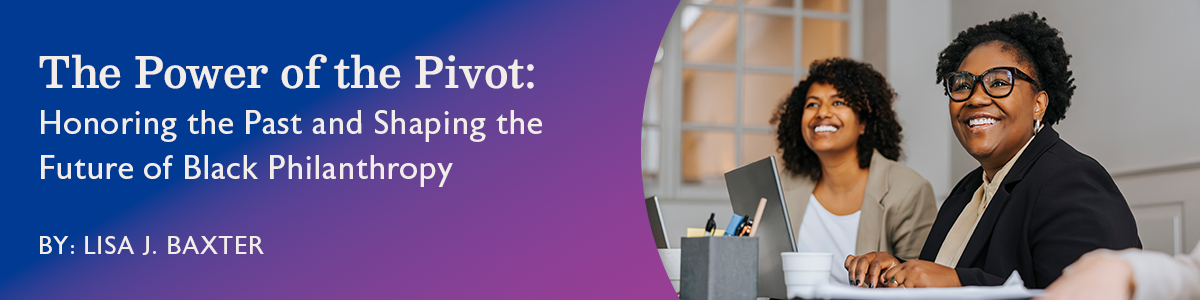
The Power of the Pivot: Honoring the Past and Shaping the Future of Black Philanthropy
By Lisa J. Baxter
Black philanthropy is, and always has been, powerful and ahead of its time. Structured by ancestral lineage, rooted in spirituality, and steeped in community, it is fueled by the intrinsic belief that we are one another’s keepers. As we celebrate Black Philanthropy Month, we pay homage to our history, honor our achievements, and prepare for the urgent work ahead.
As leaders, we choose every day to show up for our organizations. That choice becomes daily practice, and that discipline is serving the greater good, especially in times of deep uncertainty. My mother used to say, “Where there’s a will, there’s a way.” That will is exactly why Black philanthropy blooms wherever it is cultivated. It holistically addresses the community’s needs beyond the monetary. It develops and empowers future generations, reminding the world that this work is long-standing, born from the historical exclusion of Black communities. This is not just fundraising; it is social justice, community organizing, and true transformation. It is a raising of consciousness about the systems that African Americans have built to propel mutual caring and generosity.
5 Black Philanthropy-Inspired Change Strategies
The strategies for navigating change from this month’s Black Philanthropy fireside chat beautifully align with the Cause Selling Cycle:
1. Lead with Purpose During Times of Change
The leadership required of us today is anchored in purpose, trust, and self-determination. In shifting times, your strategic approach matters. Every decision must prioritize the success of the collective community, mission integrity, core values, and anticipated impact.
2. Build Authentic Relationships That Endure
Authentic, trust-based relationships are the bedrock of organizational success, echoing Phase Two of the Cause Selling Cycle. True community requires sacrifice, time, patience, and intentionality. Embracing this process is the difference between settling for transactional exchanges and cultivating transformational partnerships.
3. Embrace Innovation While Honoring Traditions
In an era of global shifts and rapid AI advancement, philanthropy remains in constant flux. True innovation in the Black community rarely means abandoning our roots; it is a brilliant reframing of how we honor tradition while seizing emerging opportunities. Balancing calculated risks with modern solutions will continue to elevate our work.
4. Develop and Empower Future Leaders
Developing and empowering future generations ensures our rich history of giving continues without interruption. Organizations like the Association of Fundraising Professionals of Greater Los Angeles (AFP-GLAC) provide vital blueprints through mentorship and fellowship programs. These initiatives build sustainable pathways for professional growth and long-term organizational resilience.
5. Advance Collective Impact Through Collaboration
Leveraging shared resources and locking arms allows us to dismantle heavy, systemic barriers while uplifting the community. We cannot operate in silos. We are, and always will be better together.
Reflection Question: Strategies are only as good as the actions they inspire. How will these insights call you to take action?
Where We’ve Been: A Legacy of Will
Our history is rich with centuries-old traditions of mutual aid and community resilience, evidenced by powerful institutional and grassroots milestones:
The Smithsonian Institution:The National Museum of African American History and Culture raised over $400 million, largely driven by Black donors and first-time philanthropists. This historic feat permanently shattered the myth of donor apathy, showcasing the immense power of organized giving.
Women-Led Grassroots Funds: Innovative models across California, such as the Black Equity Fund at the Inland Empire Community Foundation, are rewriting the rules of philanthropy. By placing grantmaking authority directly into the hands of community members, they ensure funding aligns precisely with real-time needs.
What We’ve Accomplished: Generosity as a Metric
African Americans historically give a higher percentage of their discretionary income to charity than any other racial or ethnic group:
The Lilly Family School of Philanthropy: Their Everyday Donors of Color report series analyzed giving trends and verified that African Americans dedicate a larger percentage of their income to charity than other ethnic groups, with high rates of support for congregations and interpersonal community needs.
Tides Foundation & NonProfitPRO: Data reveals that Black households give an average of 3% to 4% of their income to charitable causes, significantly outpacing the 1.5% to 3% average of other demographic groups.
Closing Thoughts: The Work Yet to Be Done
Despite clear data, Black philanthropy is often forced to constantly “prove itself,” even though its societal impact extends far beyond our own communities.
I recall serving an organization with a predominantly Black and Latino demographic. Recognizing the need for representative leadership, I proposed creating an inclusive council of local C-Suite leaders to provide fiscal support. I was met with immediate pushbacks and advised focusing elsewhere. The harmful, pervasive belief that African Americans or people of the global majority lack the means or desire to make transformational gifts is an implicit bias that still plagues the nonprofit sector.
If your organization operates with this exclusionary mindset, you are leaving money on the table and missing a sacred opportunity to build a true community. Philanthropy is not a luxury reserved for the wealthy; it flows from anyone with a heart to give and a willingness to sacrifice a greater impact.
Black philanthropy is the power of the pivot in action — the unique nimbleness to shift with the times or strategically stay steps ahead.
Author bio:Lisa J. Baxter is the Founder and Chief Community Builder of The Coleman-Baxter Agency, a boutique consulting firm that helps purpose-driven nonprofits and corporations tell stories that inspire action and build deep community. After a successful 19-year career in the nonprofit sector, Lisa pivoted into writing full-time and is currently working on her debut novel. She pens a weekly article on her Substack, “This Is My Time,” where she offers a candid GenX perspective on the realities of writing a first novel while navigating the shifts of midlife. You can connect with her on Instagram and LinkedIn.
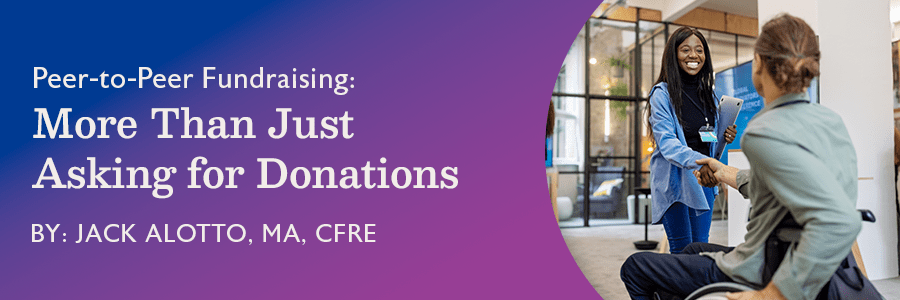
Peer-to-Peer Fundraising: More Than Just Asking for Donations
By Jack Alotto, MA, CFRE
Peer-to-peer fundraising (P2P), also known as friend-to-friend fundraising, involves supporters raising funds by leveraging their personal networks. P2P is often used as a tool for giving days like Giving Tuesday, where supporters ask their friends and family for donations. But only focusing on donations can be shortsighted. Asking for a gift is just one way donors can increase, enhance, and strengthen revenue. They can also help you find new supporters and play a key role in encouraging them to make a gift.
That’s why it’s time to rethink your peer-to-peer fundraising strategy. Rooted in the principles of Cause Selling, this strategy invites supporters to share in your mission and the emotional connection you have to it — encouraging them to join a cause they genuinely believe in.
Why Use P2P?
Peer-to-peer fundraising thrives on respect, trust, family, friendship, mutual support, shared interests, expectations, and empathy. People are more inclined to read letters, respond to text messages, or answer phone calls from friends rather than from fundraisers. A close peer has a better chance of convincing a prospective donor to give using personal stories that evoke empathy and interest.
Beyond raising money, P2P can build your donor pipeline, deepen engagement, strengthen stewardship, and uncover new prospects. Used strategically, it can be a powerful engine for sustainable growth, not just a short-term boost.
Best Opportunities to Use P2P
Engaging donor peers is an effective method to move prospective donors through the fundraising cycle from prospecting to stewardship. Here’s how:
1. Prospecting
Start by asking major gift donors for referrals. Then, reach out to loyal donors who consistently contribute to help open doors. Asking donors or board members for introductions to potential supporters is crucial to expand your donor base and boost revenue.
2. Cultivation
Upon receiving a referral from a donor, ask the referrer about the prospect’s interests and capacity to make a contribution. Invite the donor to participate as a peer cultivator by attending meetings with the prospect.
3. Solicitation
If a donor is willing and has been trained to make a solicitation, they can be effective at making the ask. A donor who understands the mission of the organization may be effective in requesting a gift.
4. Stewardship
After receiving a gift, invite the donor to help acknowledge it, demonstrate its impact, and assist in renewing their peer’s support.
Pro Tip: Cause Selling emphasizes aligning donor interests with mission impact. Equip your peer fundraisers to share why they give — not just what your organization does. This personal story makes the ask more authentic and emotionally compelling.
Why Is P2P Important?
Networking is at the heart of effective fundraising, and your donors can be some of your best connectors. Involving them in the fundraising process not only expands your reach but also deepens their own engagement. To succeed, you’ll need to train and support donors in key areas like making introductions, participating in cultivation, and even helping with solicitations when appropriate.
Cause Selling emphasizes the importance of building relationships and aligning donor values with your mission. When donors are equipped to share their personal connection to your cause, they become powerful advocates, not just fundraisers.
Stewardship matters, too. Recognizing a donor’s role in a peer’s giving journey — whether through a thank-you note, call, or personal follow-up — reinforces their value in the process and encourages continued involvement.
Four P2P Tips to Keep in Mind
Be clear and concise: When asking for a referral, be respectful of their time and connections. Provide them with the information necessary about why your organization needs a donor pipeline and how they can help by making a referral.
Don’t hesitate: It may feel awkward for you to ask a donor or anyone (board member, volunteer) for a referral. But remember, they believe strongly in your cause and want to help. This is another way — beyond making an outright gift — that they can help your organization.
Keep your request reasonable: Asking for an introduction to someone in their network is fair. Avoid demanding a referral or asking on short notice. Make your referral request interesting and positive for the referrer. Always follow up with a thank you.
Remember your “why”: Leveraging peers extends your reach and amplifies the organization’s fundraising efforts.
Final Thoughts
Peer-to-peer fundraising provides a new opportunity to strategically engage supporters and acquire new donors. Do not hesitate to ask your donors, volunteers, and board members for introductions and referrals to their network. For those who prefer not to make a direct referral, you can ask them to share information about your mission and the work your organization does on social media.
Pro Tip: Create a toolkit with training and coaching to help volunteers succeed. Peer-to-peer fundraising expands the donor base and raises brand awareness, improving relationships with current supporters. It allows supporters to join fundraising efforts, broadening the reach and sharing the cause within their networks.
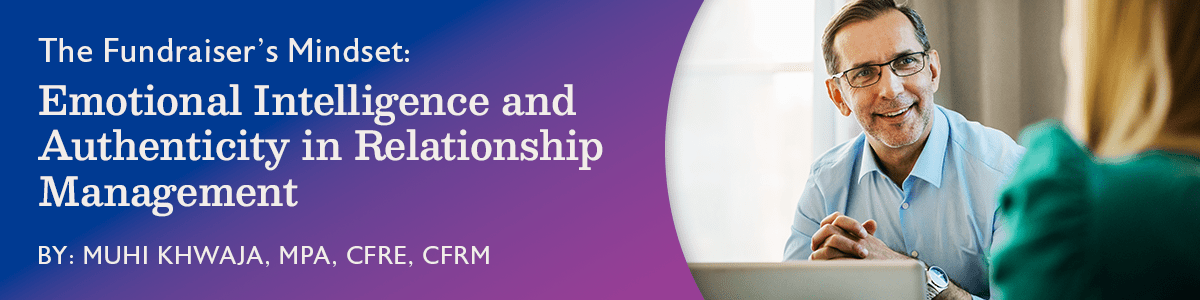
The Fundraiser’s Mindset: Emotional Intelligence and Authenticity in Relationship Management
Written By: Muhi Khwaja, Trainer
The most successful fundraisers understand that building strong relationships requires as much self-awareness as it does strategy. Emotional Intelligence (EQ) and authenticity form the backbone of effective engagement in the Cause Selling Cycle, influencing every step from Prospecting to Stewardship.
Why Mindset Matters in Fundraising
Through the different phases and steps of the Cause Selling Cycle, planning the journey for your donor requires empathy and authenticity.
For example, during Prospecting and Pre-Approach, fundraisers must understand their own strengths, biases, and communication styles as much as they understand the donor’s. A self-aware approach to initiating a new relationship creates trust, reduces missteps, and increases the likelihood of meaningful engagement.
The Approach and Need Discovery steps demand patience and curiosity. Active listening, reflective responses, and genuine interest in the donor’s passions are essential, as donors can detect inauthenticity immediately. When that happens, it can undermine your credibility and reduce your chance of building a meaningful connection.
Authenticity as a Strategy
Authenticity goes beyond “being yourself.” It means communicating transparently about the organization’s challenges and successes, acknowledging limitations, and celebrating achievements. Authentic fundraisers invite donors into a shared mission rather than selling a product.
Example in Practice: While I was a Development Manager at Ta’leef Collective, a donor was hesitant to fund a new initiative due to uncertainty about sustainability. By candidly sharing both potential risks and anticipated outcomes, we built trust. That transparency, coupled with ongoing stewardship, ultimately led to a multi-year commitment.
Applying Emotional Intelligence Across the Cycle
Prospecting & Pre-Approach
During Prospecting and Pre-Approach, assess your comfort and confidence with potential donors. Identify areas where self-doubt could affect interactions. Ask yourself:
What assumptions might I be making about this donor?
How can I prepare to show up as present and genuinely interested?
Am I approaching this relationship with confidence and authenticity or allowing fear and bias to shape my mindset?
Approach & Need Discovery
During Approach and Need Discovery, listen more than you speak. Observe non-verbal cues and adapt your style to create rapport. Look out for:
Subtle cues — tone, body language, or pacing — that signal enthusiasm, hesitation, or uncertainty
Opportunities to deepen trust by reflecting back what you hear: “It sounds like this issue really matters to you. Can you share more about that?”
Moments where adjusting your pace can make the donor feel more comfortable, heard, or valued
Presentation & Handling Objections
During Presentation and Handling Objections, empathy helps you address concerns without defensiveness, positioning the donor as a valued partner rather than a target. If donors object, here are a few emotionally intelligent ways to respond:
“I appreciate you sharing that. Can you tell me more about what’s making you hesitate?”
“That’s a helpful perspective. Let’s explore how we can align this with what matters most to you.”
“It sounds like you want to ensure your impact is meaningful and sustainable. Here’s how we’re thinking about that.”
The Ask & Stewardship
During the Ask and Stewardship, emotional intelligence informs timing, tone, and follow-up, ensuring the donor feels respected and inspired. Ask yourself:
Is this the right moment to make the ask, based on the donor’s engagement and readiness?
Am I framing this opportunity in ways that connect to their values and motivations?
How will I continue to show appreciation and build trust after the gift?
Fundraiser’s Reflection: Five Actionable Takeaways
Invest in self-awareness. Your mindset shapes every donor interaction.
Listen actively and adapt. Curiosity fuels connection in Approach and Need Discovery.
Practice transparency. Authenticity builds trust in Presentation and Stewardship.
Manage emotions during objections. Respond with empathy rather than defensiveness.
Use emotional intelligence to guide the Ask. Timing and tone matter more than pressure or scripts.
By nurturing your mindset alongside your skills, you create relationships that are sustainable, meaningful, and mutually beneficial.
Author bio: With over 15 years of nonprofit and fundraising experience, Muhi became a CFRE in 2016, earned certificates from Indiana University’s Lilly Family School of Philanthropy in 2017 and 2024, joined Fundraising Academy as a Trainer in 2022 where he continues to serve today, and also serves as the Cofounder and Chief Development Officer of the American Muslim Community Foundation, which has helped families distribute more than $20 million since 2017. Connect with him on LinkedIn at https://www.linkedin.com/in/muhikhwaja/